Wiring 101: Understanding the Basics of Residential Electric Systems May 01, 2026
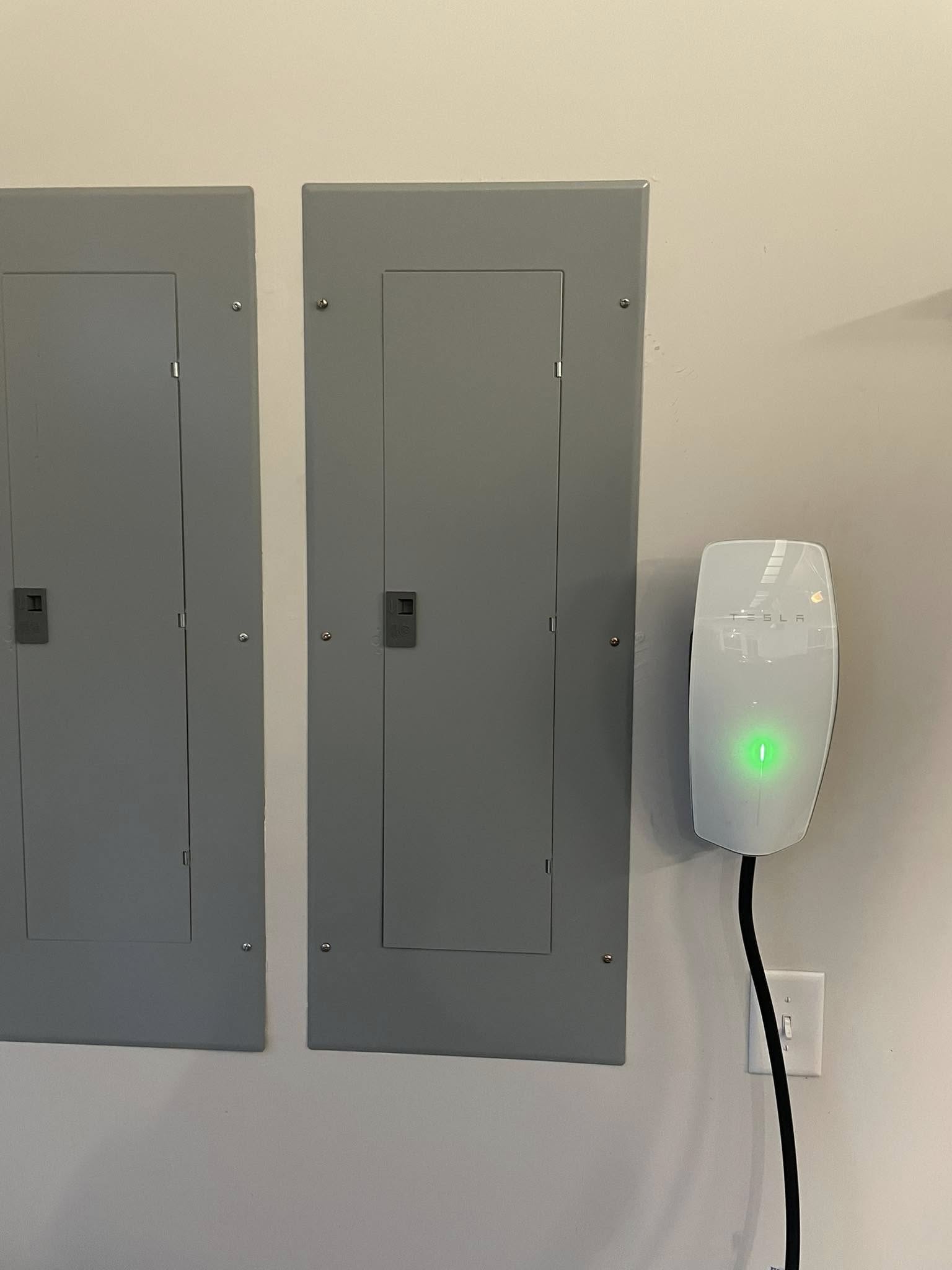
At the core of any residential electrical system is the service panel, often known as a breaker box. This is where the electricity from the utility company enters your home and is distributed to various circuits. Each circuit is protected by a circuit breaker, which automatically shuts off power in case of an overload, preventing electrical fires and damage to appliances. Knowing how to reset a tripped breaker is a basic skill every homeowner should master.
Next, let's examine circuit types. Homes typically have two types of circuits: general purpose and dedicated circuits. General purpose circuits power common household items like lighting fixtures and outlets used for small appliances. Dedicated circuits, on the other hand, serve a single appliance or fixture that demands a significant amount of power, like a refrigerator or a washing machine. These circuits ensure that your main appliances run smoothly without overloading the system.
Wiring plays a critical role in electrical systems. The most common types of wiring found in homes today include non-metallic (NM) cables, also known as Romex, and conduit wiring. NM cables are widely used due to their efficiency and ease of installation. They're typically used behind walls, connecting power from the breaker panel to outlets and switches throughout the home. Conduit wiring, though more robust due to its protective metal tubing, is less common in residential settings but offers excellent protection for areas exposed to potential damage.
Grounding is another critical aspect of your home's electrical safety. A grounding system provides a safe path for any excess electricity to travel back to the ground in case of a fault, such as a short circuit. This minimizes the risk of electric shocks and fires. Regularly checking grounding connections ensures that your system operates safely.
Proper installation and maintenance of outlets and switches are also essential. Over time, these can wear out or become damaged, posing safety hazards. If you notice any discoloration, buzzing sounds, or if an outlet stops working, it's crucial to address these issues promptly. Replacing faulty outlets and adopting newer technologies like Ground Fault Circuit Interrupter (GFCI) outlets in areas prone to moisture, such as kitchens and bathrooms, greatly enhances safety.
In conclusion, understanding the basics of residential wiring can significantly contribute to the safety and efficiency of your home's electrical system. While some issues are best left to professionals, knowing these essentials lets you handle minor tasks and recognize when it’s time to call an expert. At Ross & Sons Electrical LLC, we’re here to ensure your home’s electrical system functions flawlessly, providing peace of mind and reliability. If you're ever unsure or need assistance with your home’s wiring, don't hesitate to reach out. Our team of skilled electricians is always ready to help with expertise and dedication. Stay informed, stay safe, and always prioritize electrical safety in your home.
/filters:no_upscale()/filters:format(webp)/media/cecdc408-837c-4c46-beb2-27ab24eb71ae.jpeg)
/filters:no_upscale()/filters:format(webp)/media/b2774f12-2525-4bc7-8a6c-e9fb011b09da.jpeg)